In this tutorial, I’ll show you how I use standard prime lenses like a 50mm to make medium format sized astrophotos with a regular small format camera.
Continue reading “Medium Format Astrophotography with Panorama Stitching”
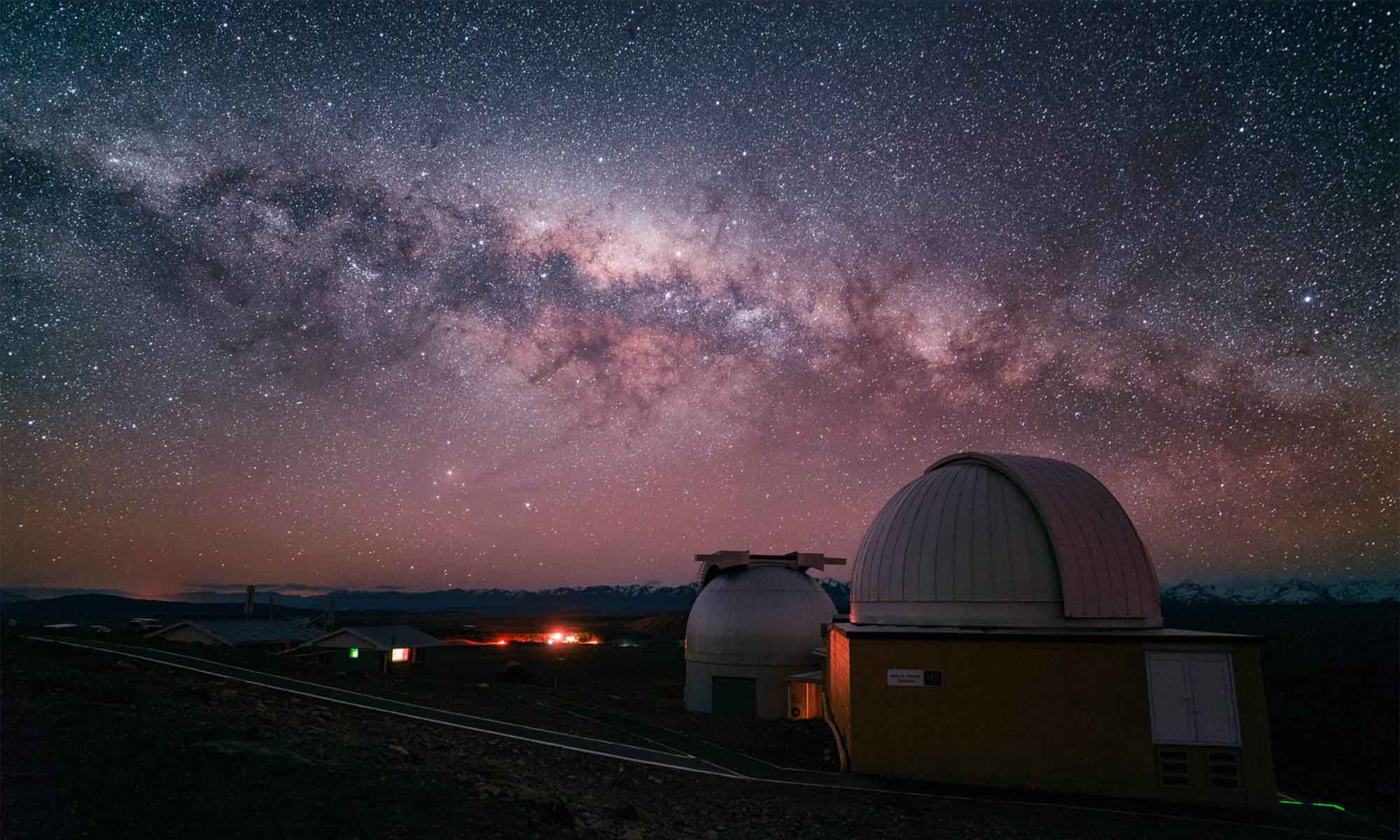

How to Photograph the Milky Way – Astrophotography Tutorials, Tools, Gear + Inspiration
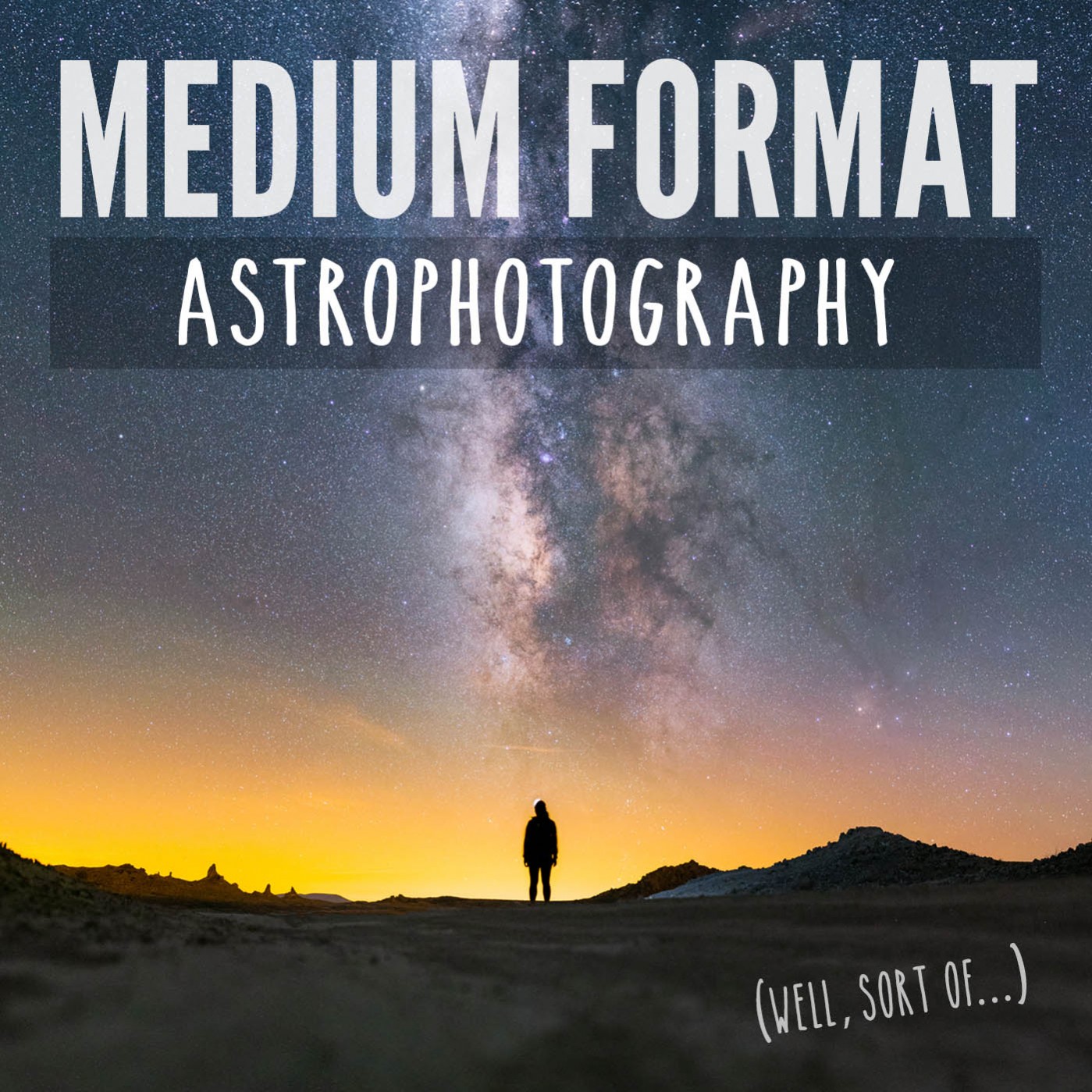
In this tutorial, I’ll show you how I use standard prime lenses like a 50mm to make medium format sized astrophotos with a regular small format camera.
Continue reading “Medium Format Astrophotography with Panorama Stitching”
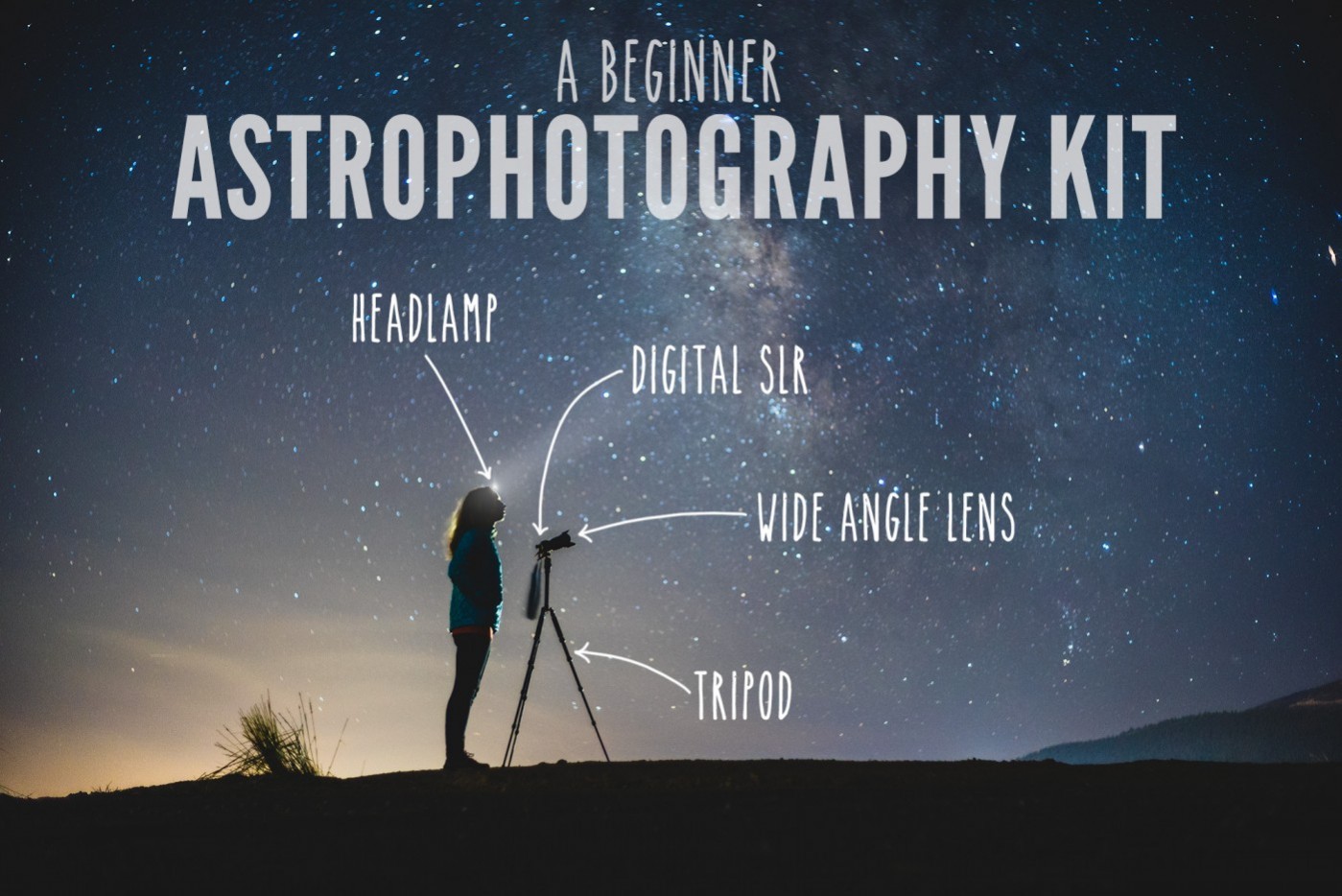
Let’s talk about the bare minimum of what you will need to photograph the Milky Way.
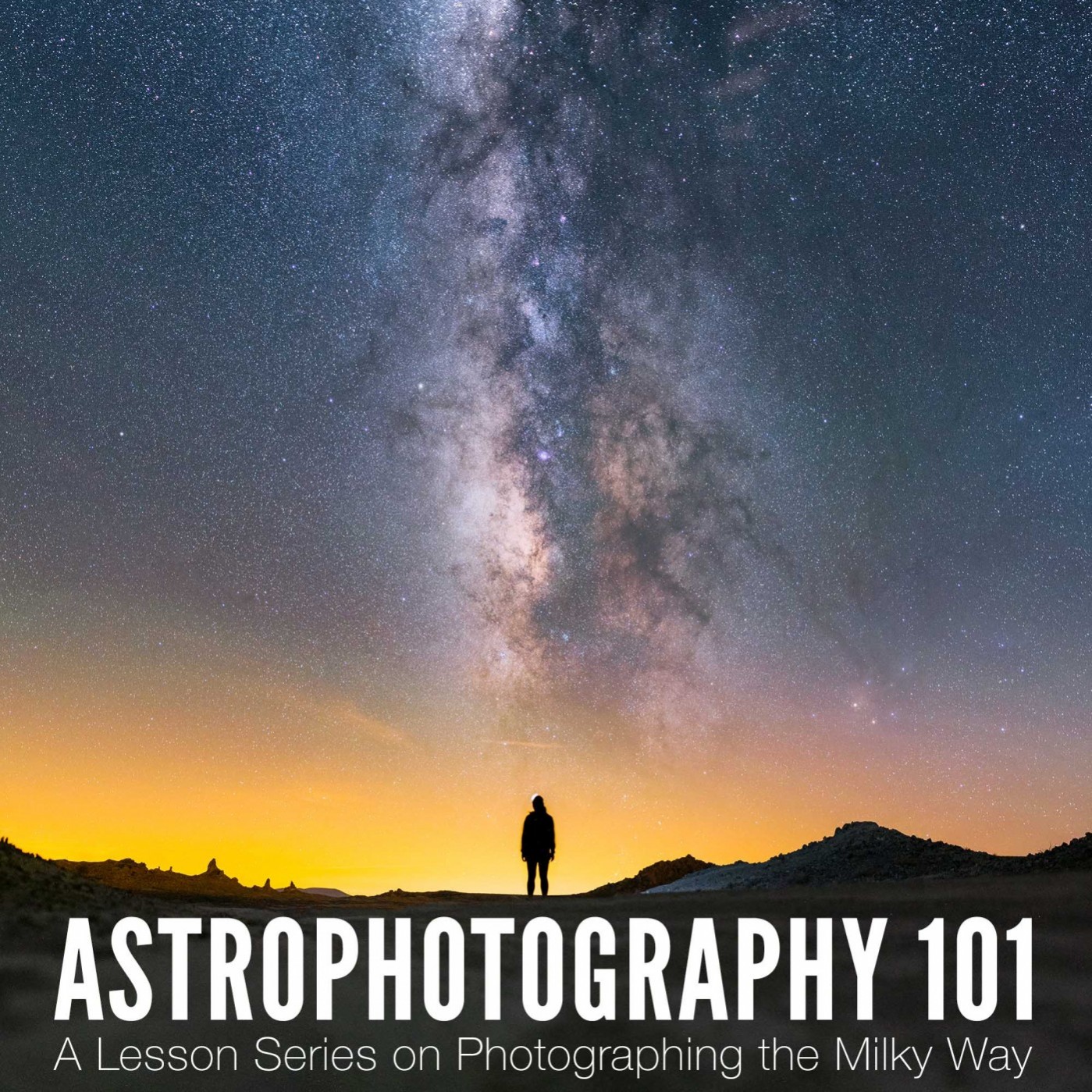
Welcome to Astrophotography 101: A Lesson Series on Photographing the Milky Way by Lonely Speck’s creators Ian Norman and Diana Southern.
Continue reading “Astrophotography 101: A Lesson Series on Photographing the Milky Way”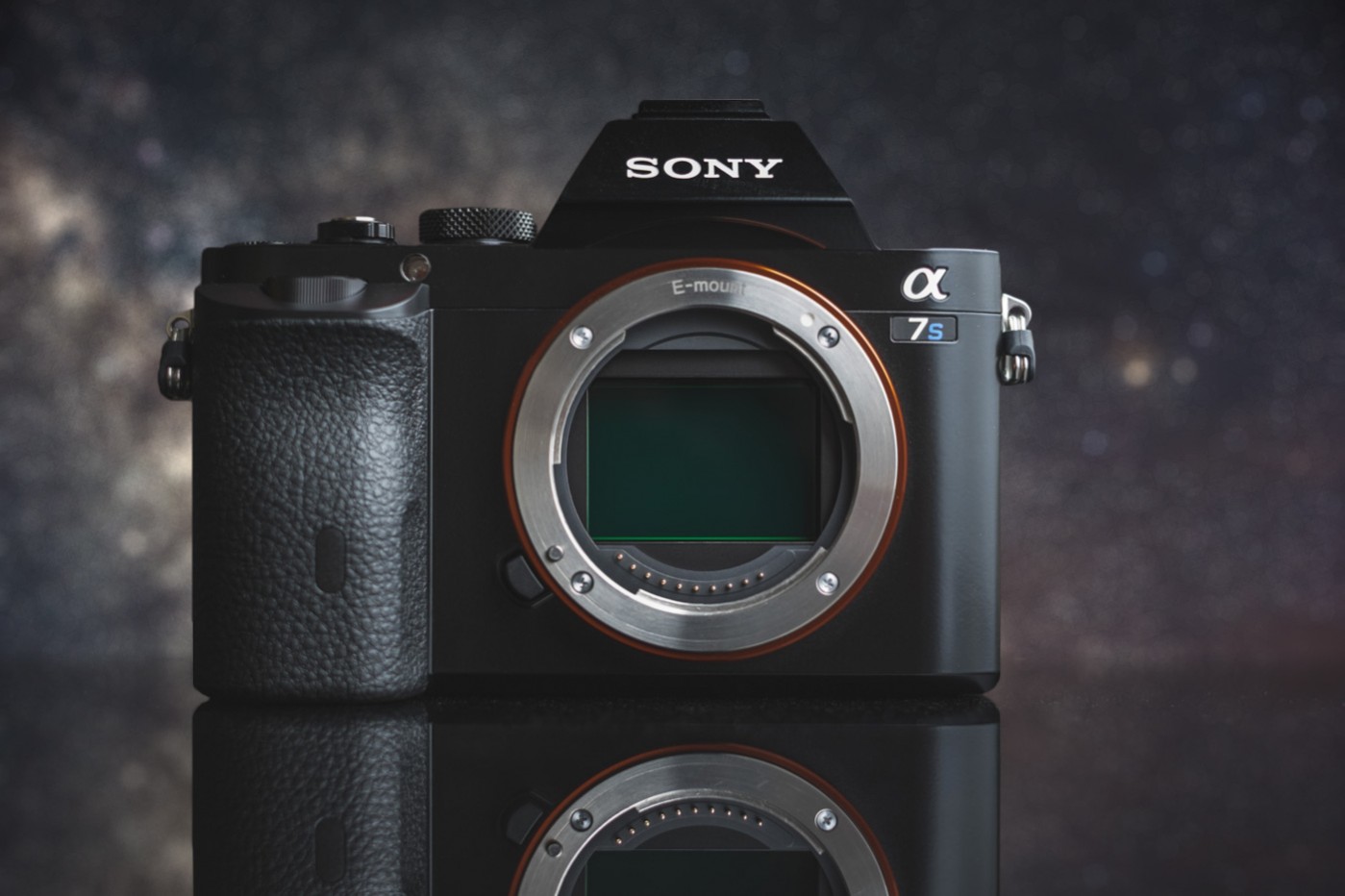
As soon as the Sony a7S was announced, I knew I had to try it for astrophotography. With a full frame sensor and ISO 409600, is it the best low light camera out there?
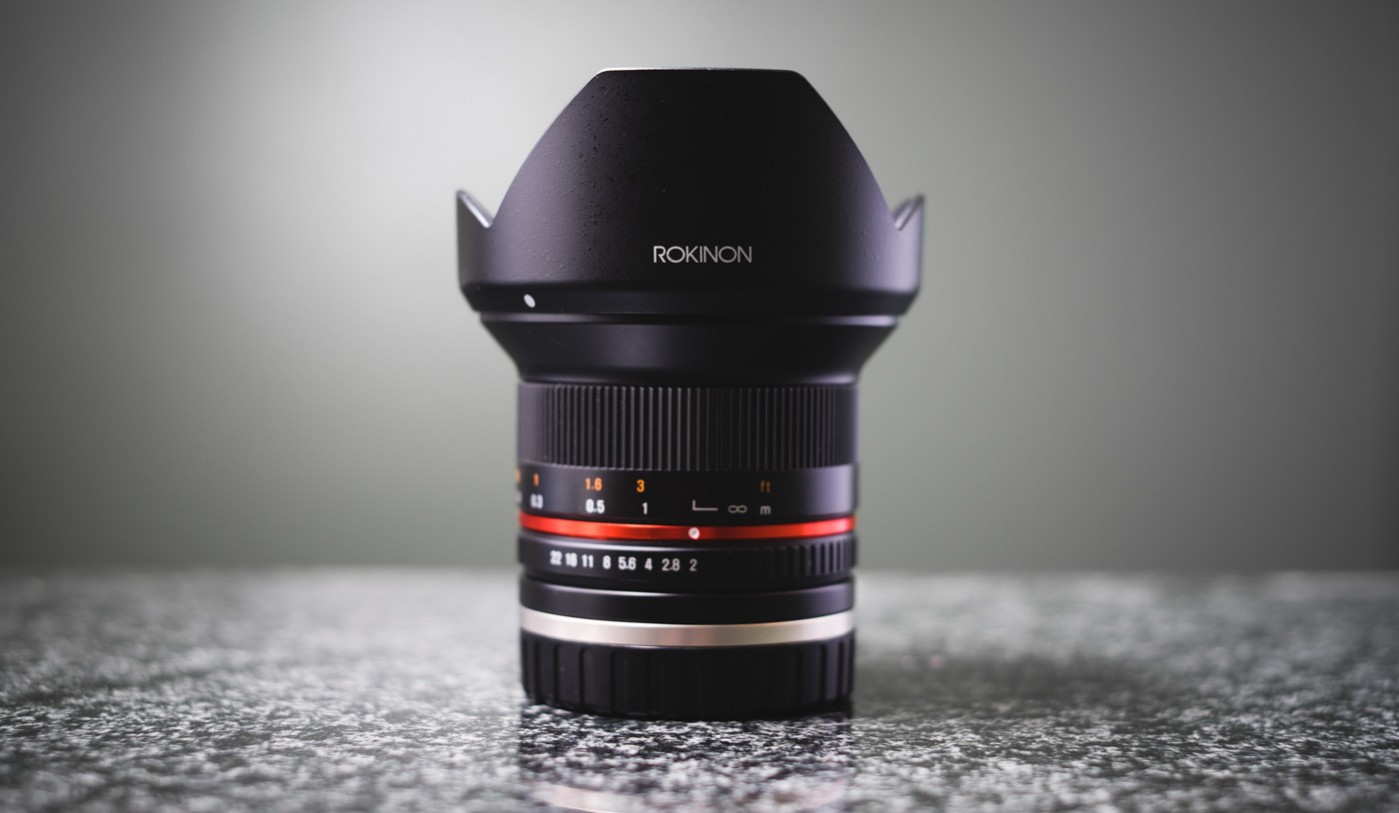
Can the new Rokinon 12mm f/2.0 NCS CS compete with the Zeiss Touit 12mm f/2.8? Here are my thoughts on this unique lens.

Use this simple calculator to determine the best exposure to start with for photographing the Milky Way.
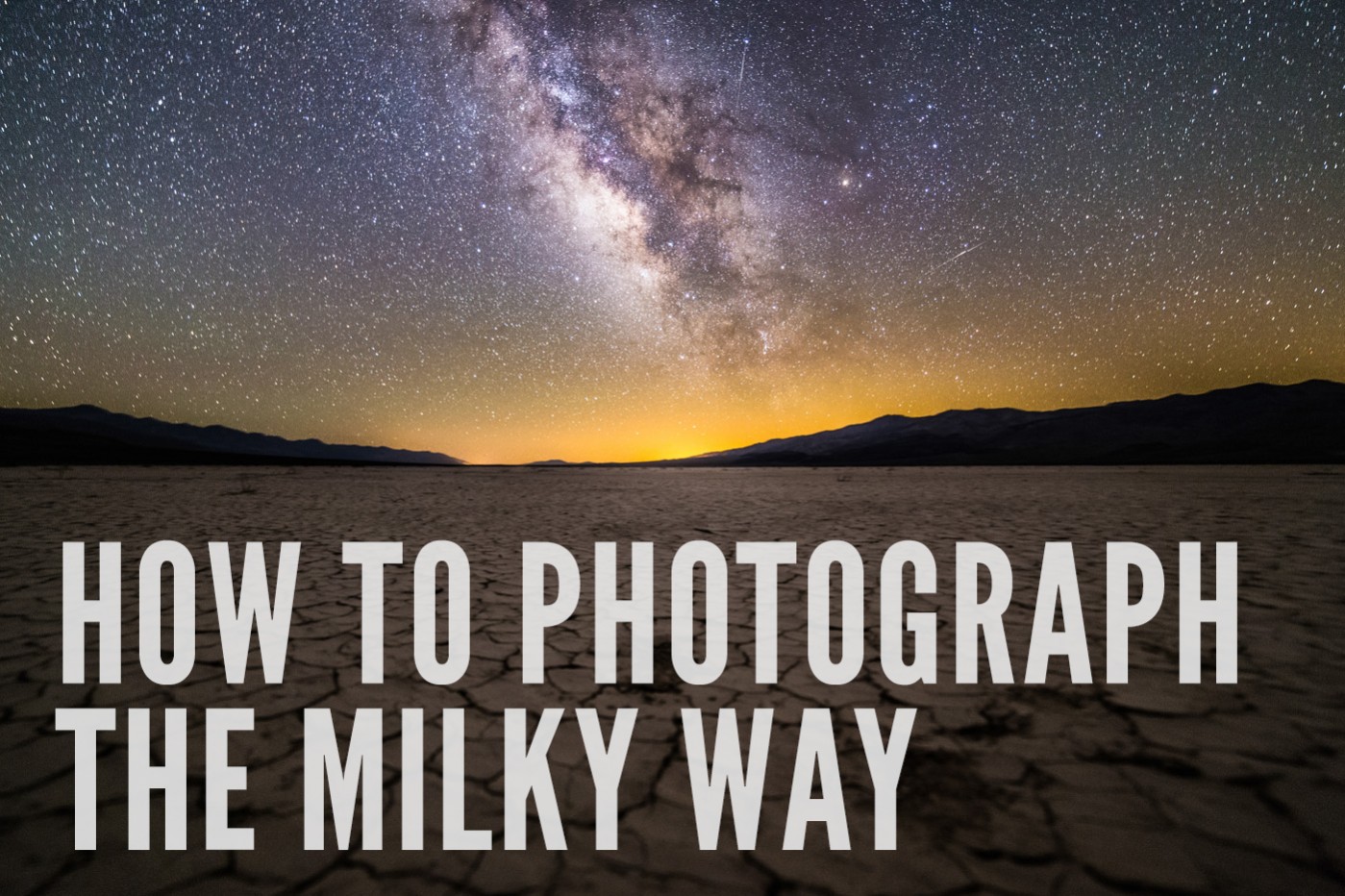
Wide field landscape astrophotography is an impressive form of photography, and it’s accessible to nearly everyone with a camera.
Astrophotography has become much easier in the last decade, especially with today’s more affordable, large sensor, high signal-to-noise ratio digital cameras. There are few photographs that have as much existential impact as a nighttime landscape against the Milky Way. In this article, we’ll show you how to make an amazing photo of the Milky Way galaxy with a minimum of effort and equipment.
Continue reading “How to Photograph the Milky Way”